

#CreativesInCircularity 2026 | Discover the event in pictures
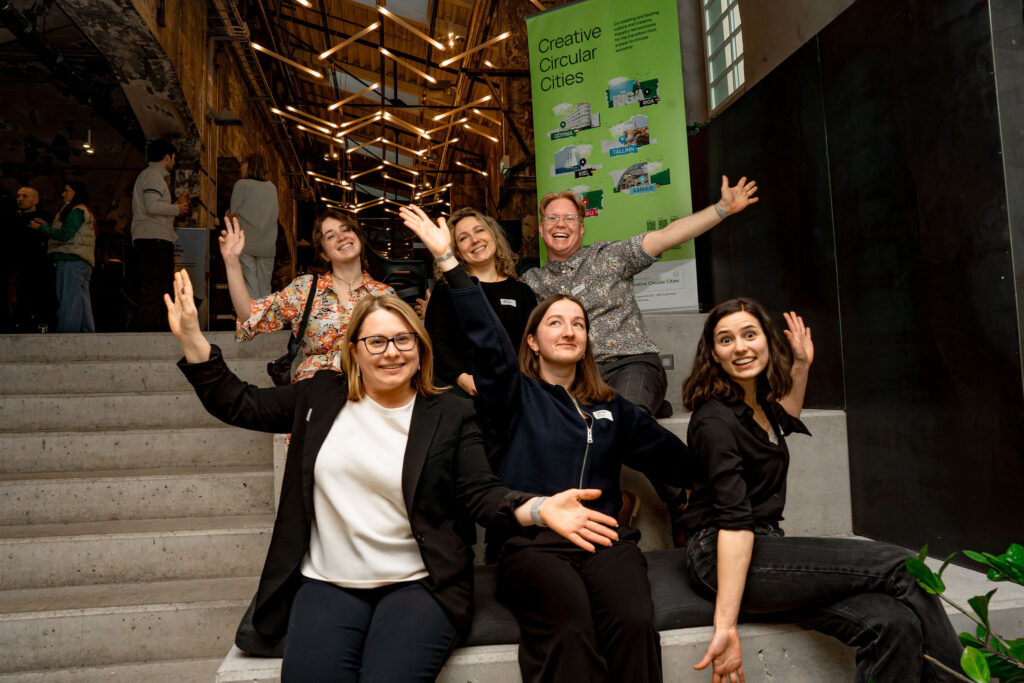
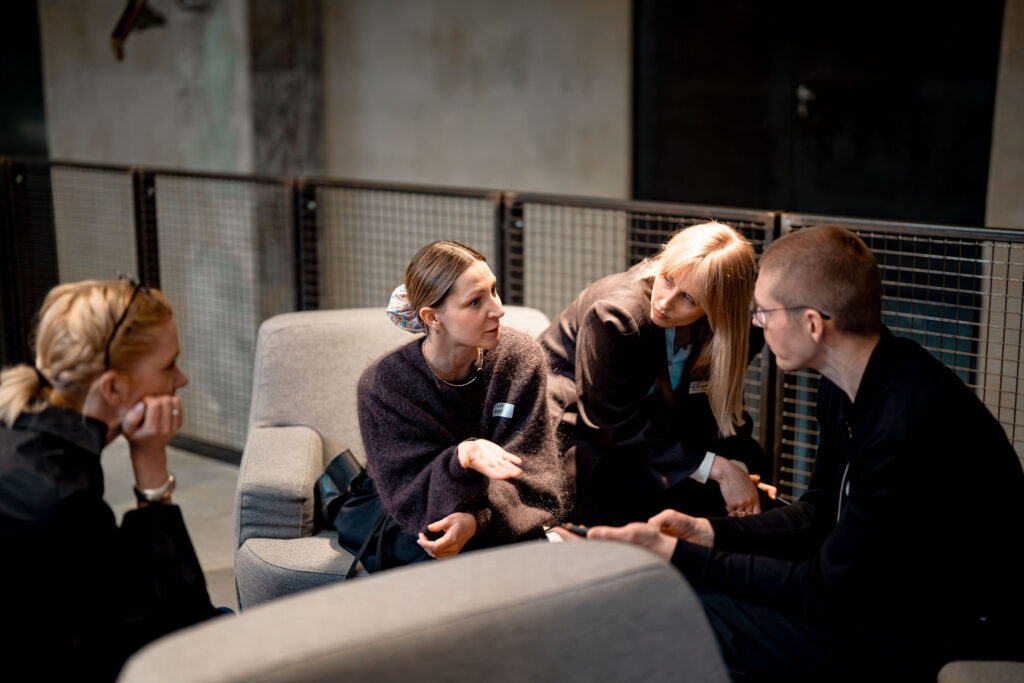
Part of the organizers’ team from NDPC and the Danish Cultural Institute. Picture by Enriko Pedaksalu, Visualency
On 18–19 February, the Creatives in Circularity B2B Exchange Event gathered creative professionals working with circular practices in Tallinn, Estonia. Organised within the Creative Circular Cities (CCC) project, this event created a much-needed space for participants to connect, exchange ideas, and explore how the cultural and creative sectors can contribute to circular economy solutions – something that we see as an under-represented approach to sustainable transition efforts in our cities!
As NDPC, we played a key role in enabling the event to come to life, co-leading the event’s preparation and implementation, and acting as a key contact point for participants. When organizing this event, our vision was to create a meeting space where creative professionals working with circular practices could connect, exchange knowledge, and build collaborations across the Baltic Sea Region; we strived to bring together practitioners from different creative fields to share their unique approaches to circularity, discuss challenges they are addressing in their work, and explore new ideas through dialogue and cross-sectorial connections.
Looking back at the program: Learning about Europe’s creative backbone
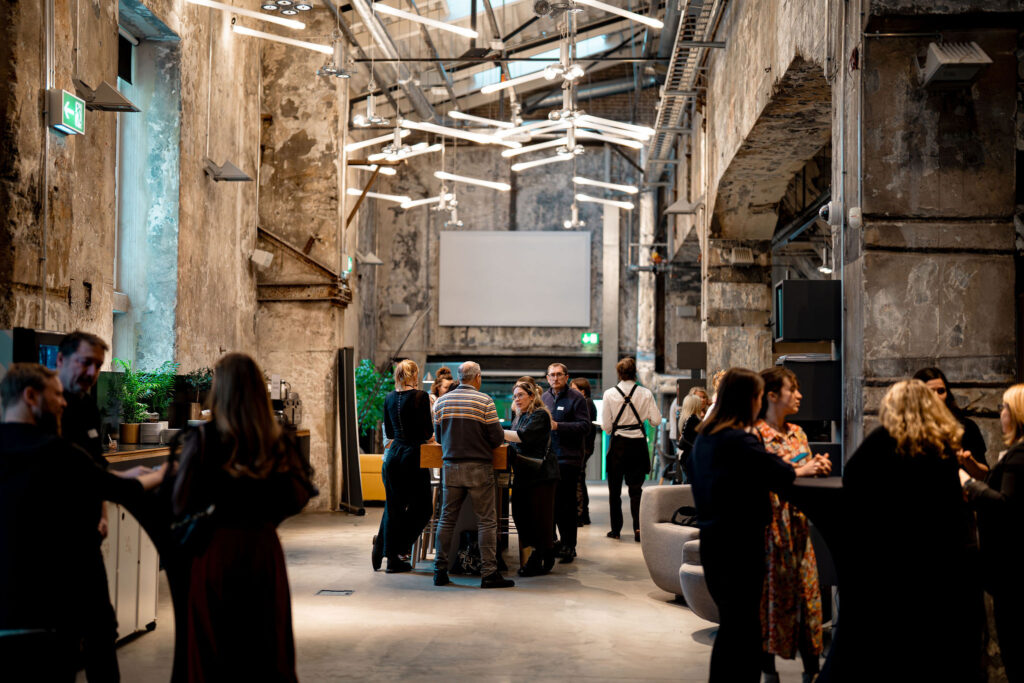
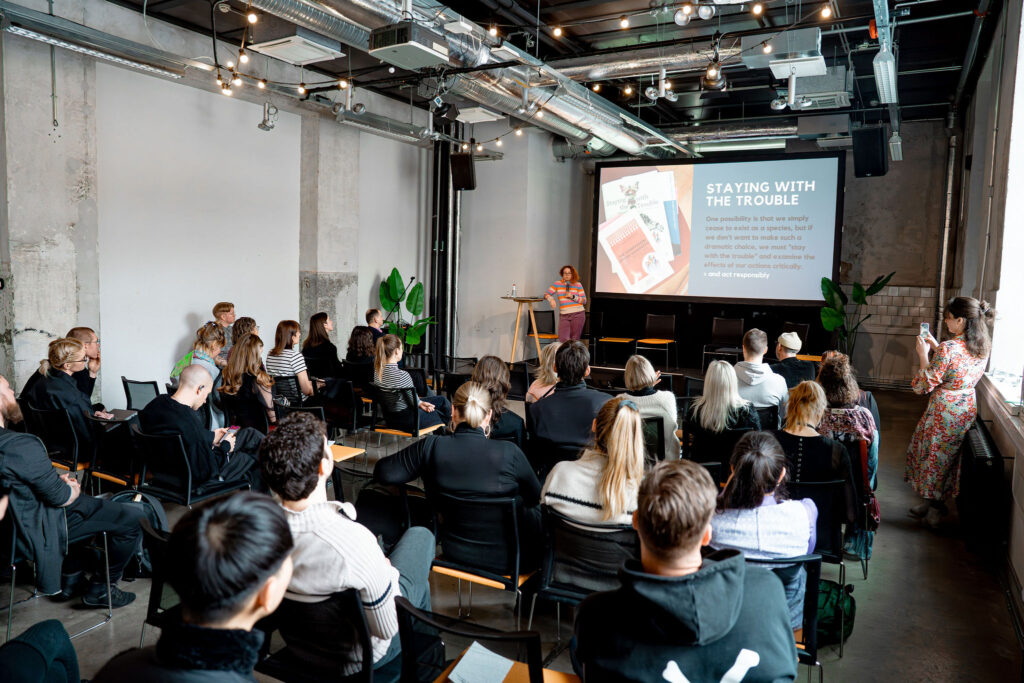
While the programme opened with a welcoming dinner on 18 February – giving participants the opportunity to meet informally before the main event day – the main event took place on 19 February at Kultuurikatel’s Terrace Hall. The day featured keynote presentations, expert talks, and a panel discussion focused on circularity in the creative sector, aiming to empower creatives with new tools to finance their ideas via international cooperation opportunities, plus offering inspiration.
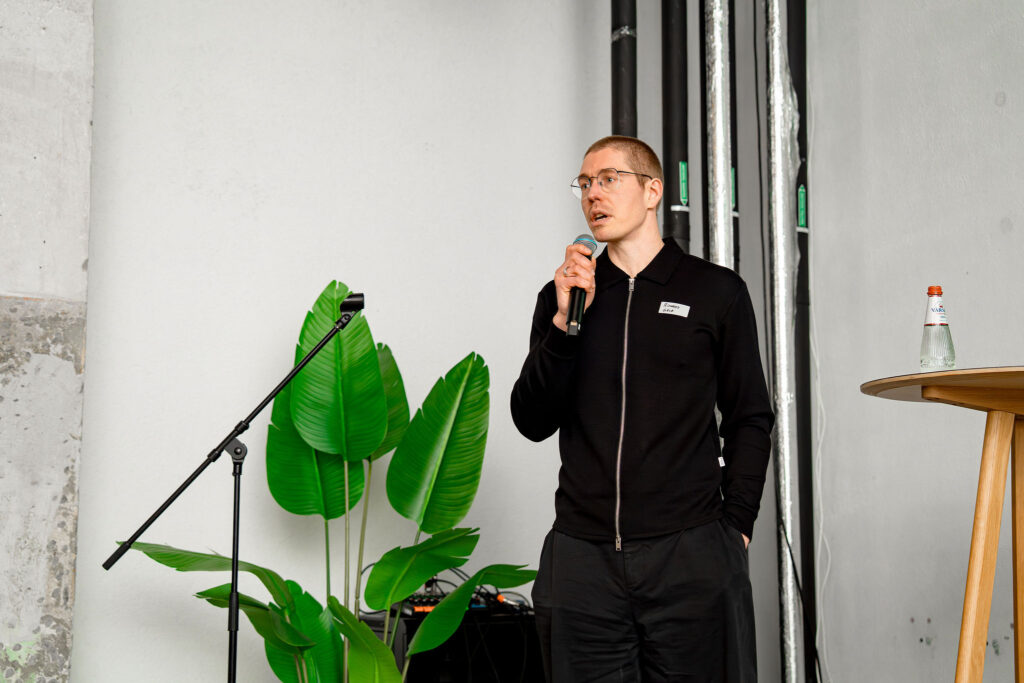
The morning programme included opening remarks and orientation to the day, followed by the keynote “Creatively sustainable: Europe’s competitive edge” by Rasmus Wiinstedt Tscherning, Founder and Managing Director of Creative Business Network.
A session on supporting creatives through finance and mobility was then presented by Jaan Ulst (Goethe-Institut Tallinn) and Marie Le Sourd, Secretary General of the cultural mobility network On the Move (OTM).
- Download the introduction to the Culture Moves Europe program here
- Download OTM’s infosheet for cultural mobility here
In the afternoon, Oona Tikkaoja, sculptor and lecturer at Humak University of Applied Sciences, delivered the keynote “Making kin with materials”, reflecting on artistic approaches to material relationships and sustainability.
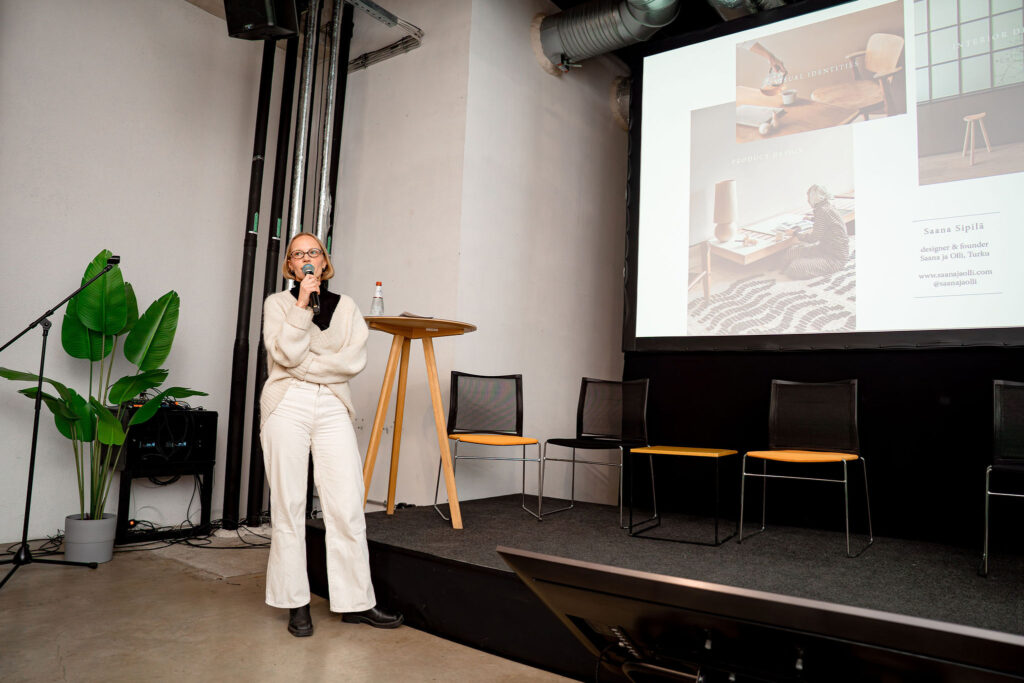
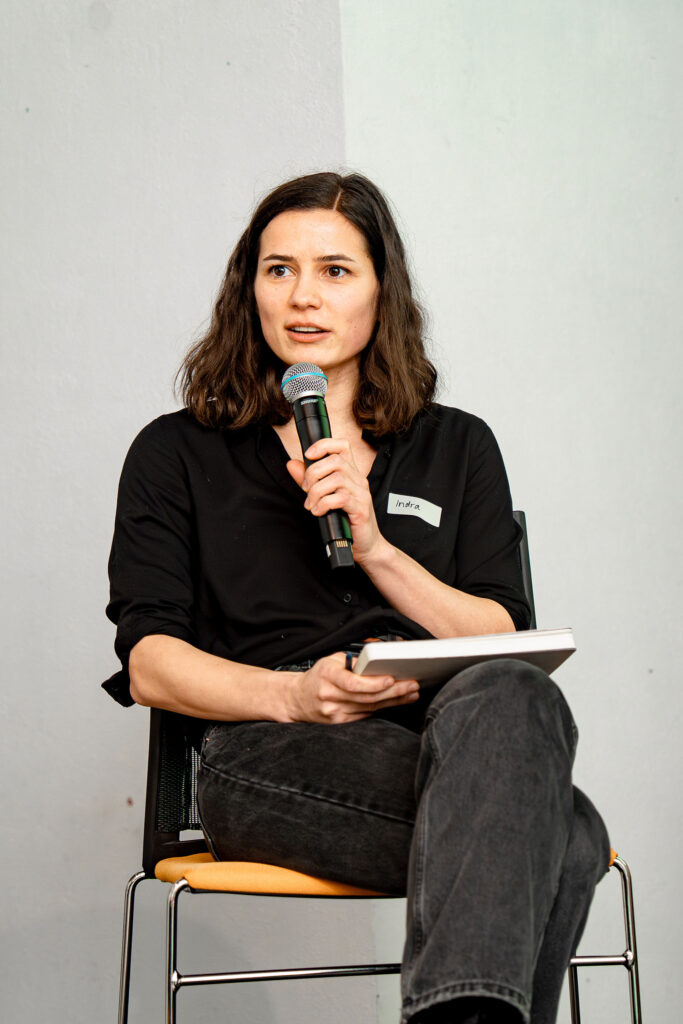
The programme also featured a panel discussion titled “Circular economy in practice: insights from creatives”, moderated by Indra Levite (Danish Cultural Institute, CCC project lead), with contributions from Joanna Wierzba, Eric Pfromm, Maria Rojko Nisu, Saana Sipilä, and Rihards Gāle.
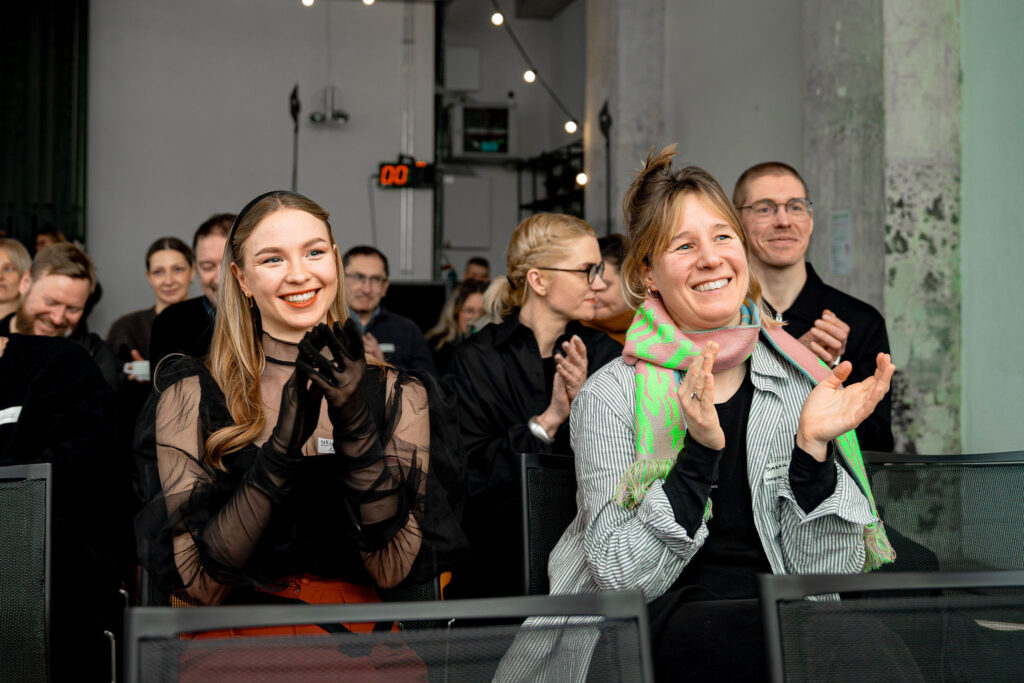
The core – Quickfire introductions, exchanges, and connection between 40+ participants
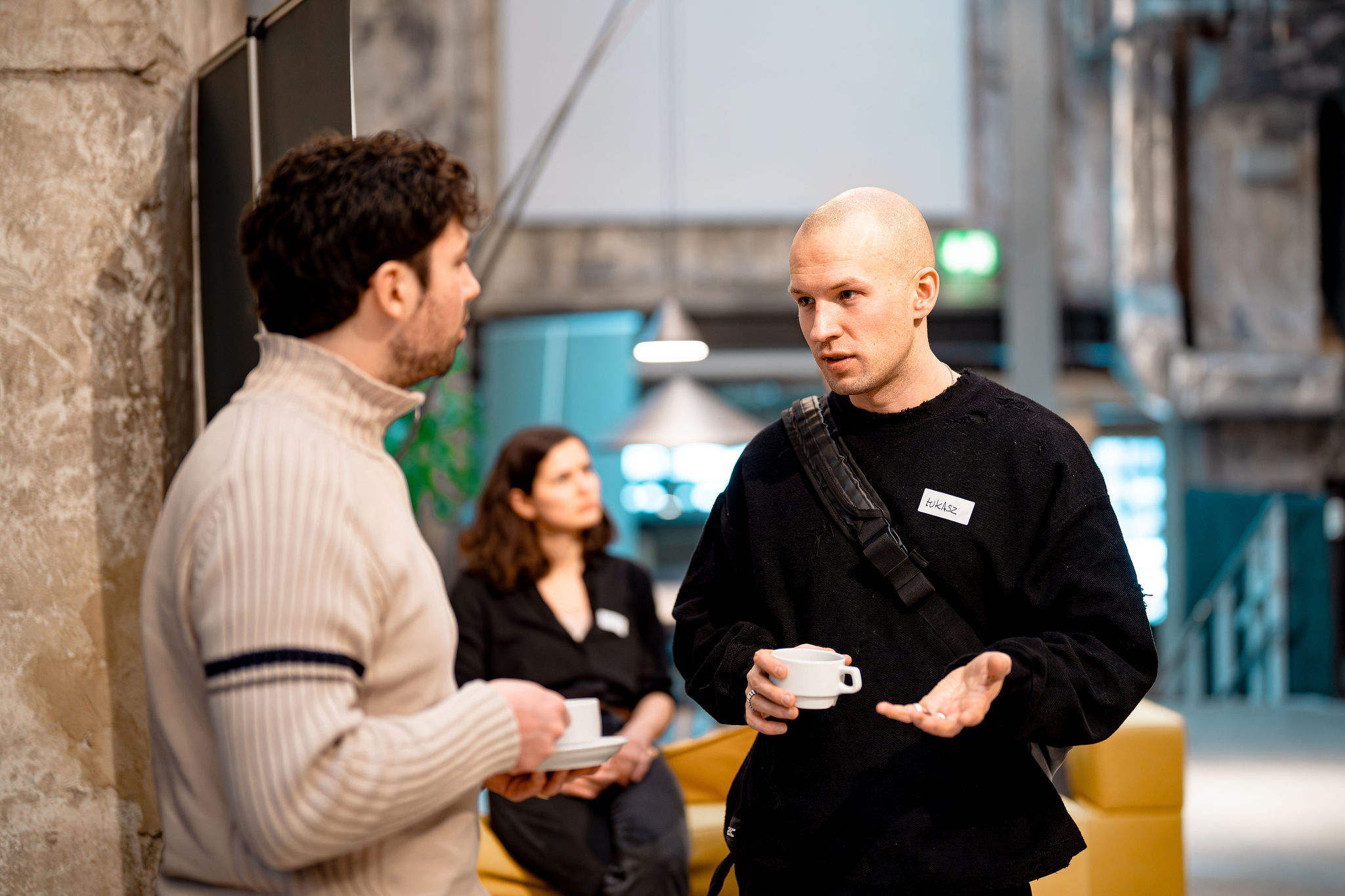
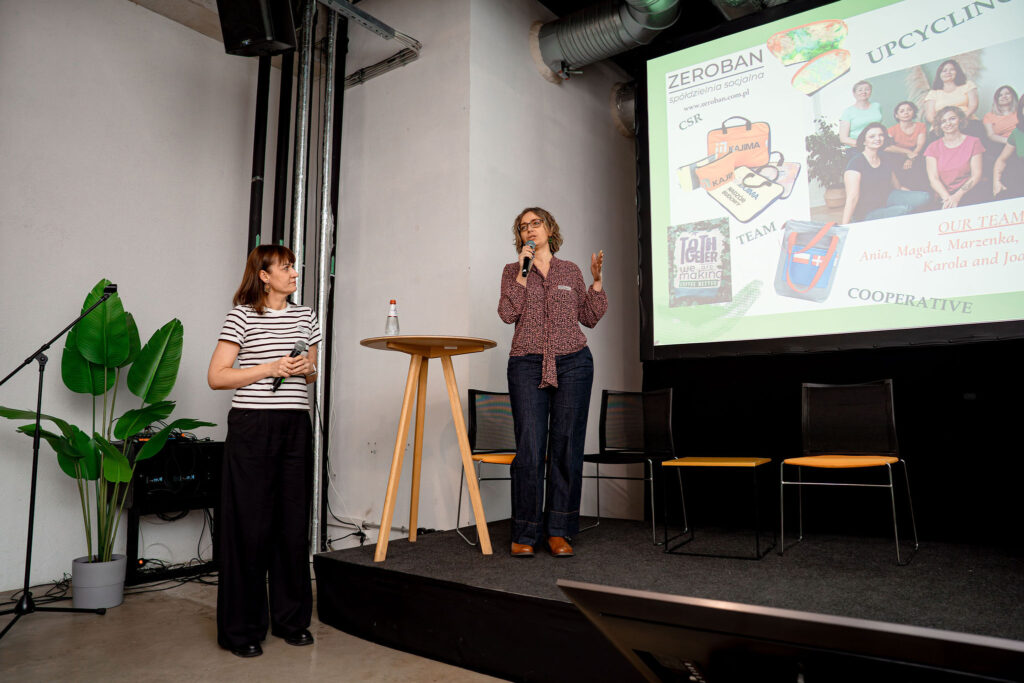
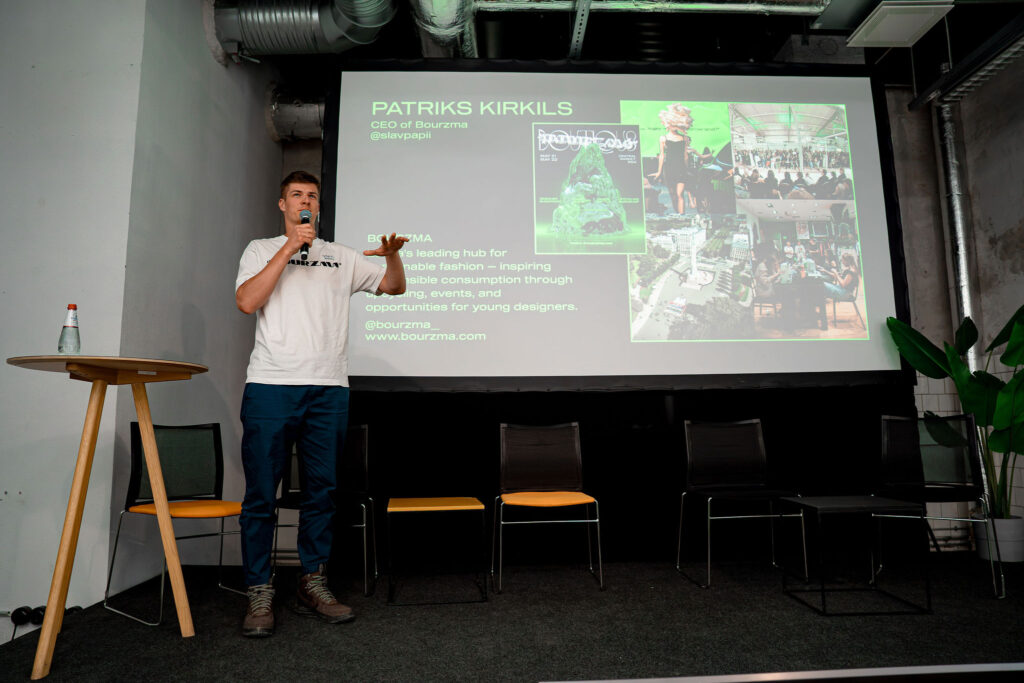
Next to the insightful presentations and keynotes, one of the most distinctive parts of the event was the four rounds of Quickfire Introductions – a format that gave participants a short space to present their work, the circularity challenges they are tackling, and the questions they wanted to explore further with others in the room. By introducing themselves, the participants had the chance to increase visibility for their work and encourage discussion and collaboration throughout the day.
What emerged from these rounds was a rich cross-section of creative practice from Latvia, Estonia, Finland, Germany and Poland. The presentations showed that circularity is being approached from many angles, for instance:
- Architecture and spatial design,
- Industrial and product design,
- Fashion and textile reuse,
- Public art and socially engaged artistic practice,
- Photography and visual storytelling,
- Theatre production,
- Geospatial and digital mapping work,
- Small-scale circular product businesses.
Some participants focused on material reuse, adaptive reuse, design for disassembly and prefabricated circular systems in architecture and the built environment. Others presented work shaped by upcycling, exhibition design, interior design, healthy and natural materials, and modular or return-based approaches. There were also practices working with recycled textiles, refill-based product models, nature-inspired urban design, and service and hardware design grounded in circular principles.
Across these different contexts, the common thread lay in a shared effort in rethinking how materials, spaces, systems, and user relationships can be organised more sustainably. The event concluded with facilitated networking sessions, enabling participants to continue conversations and explore potential collaborations.
The event showed how circular creativity in the Baltic Sea Region is not limited to one discipline or method, but is already being developed through many distinct practices – from experimental making and collaborative design to applied spatial solutions, cultural production, and circular business models.
We are grateful to all those who joined us, and we’re hoping new projects and a community feeling now lie ahead!
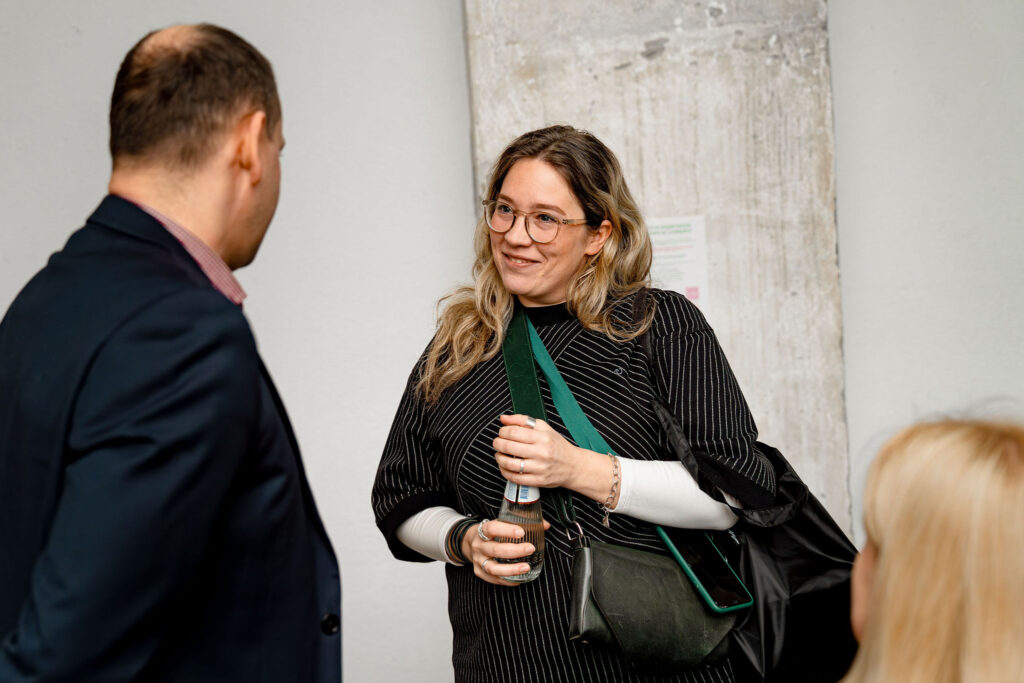
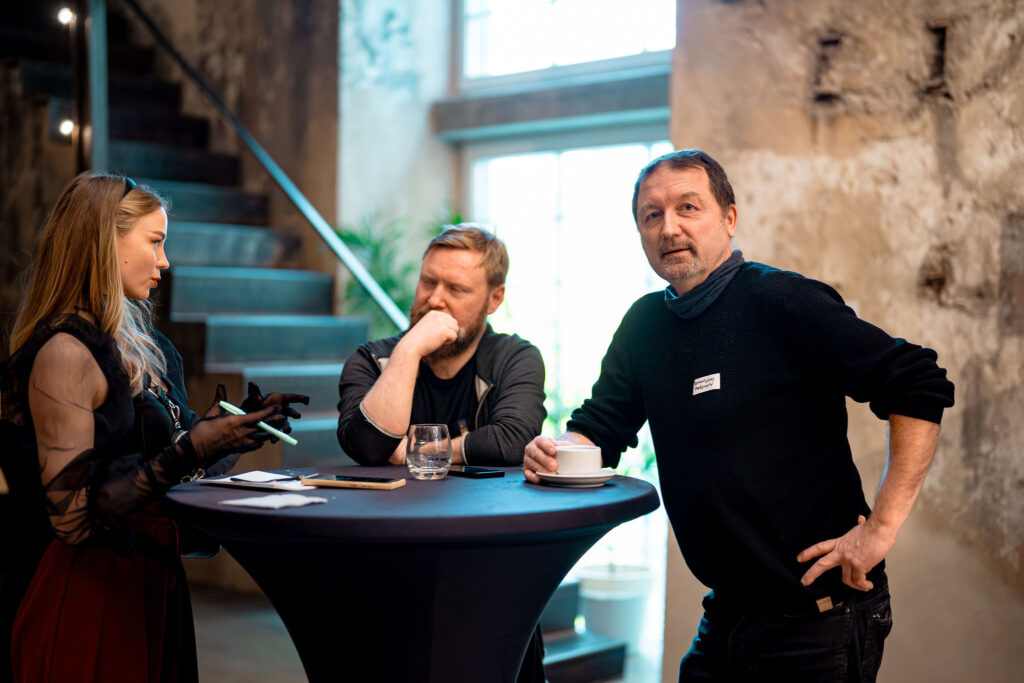
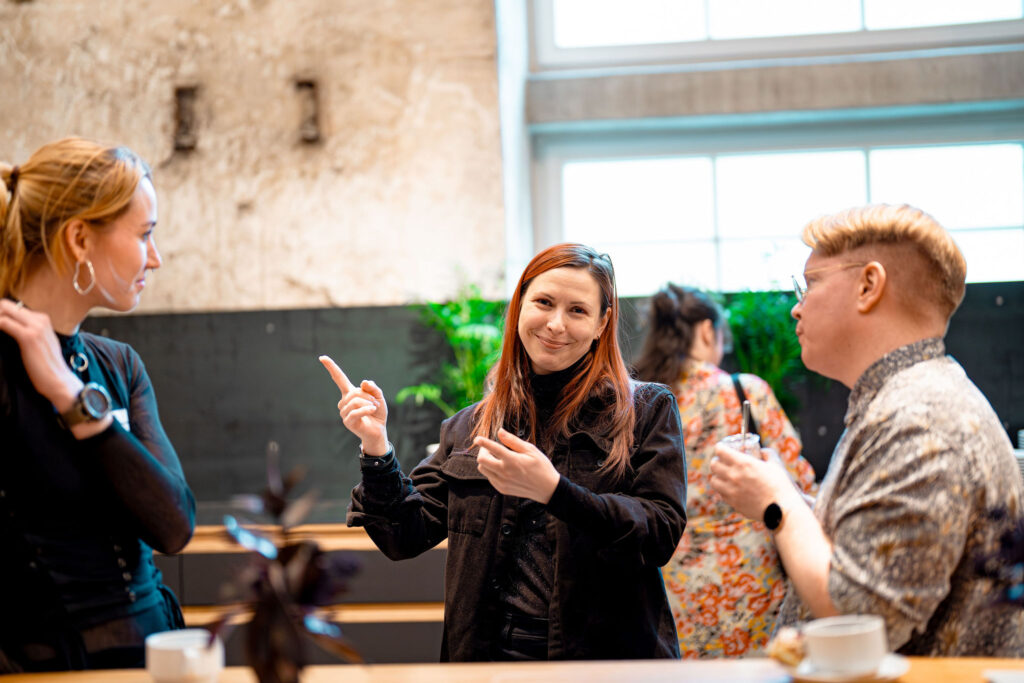
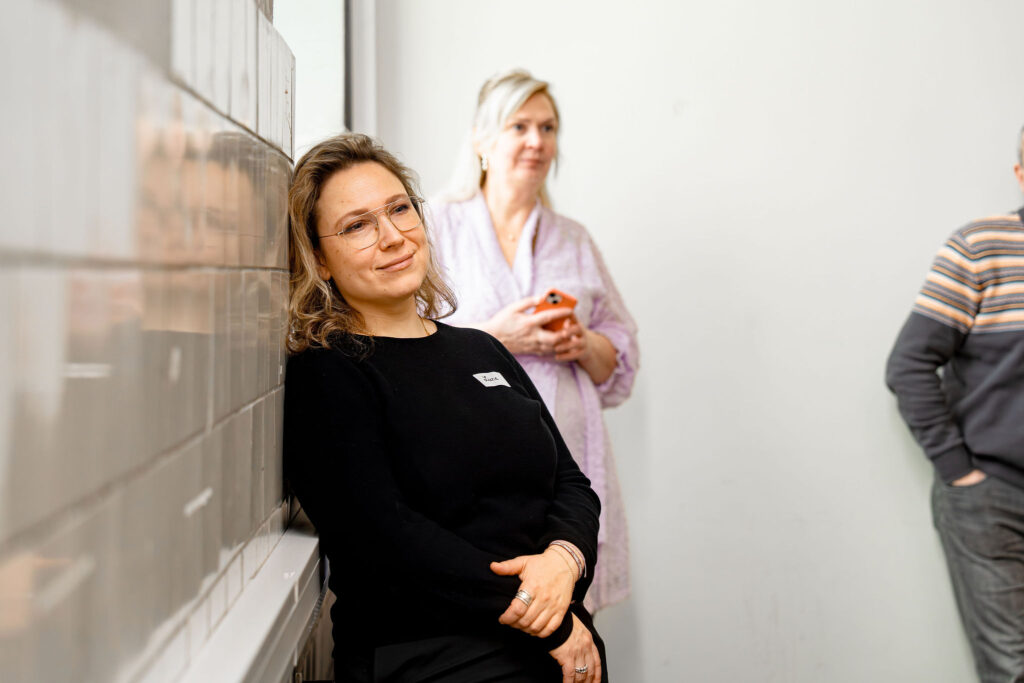
#CreativesInCircularity – the gallery
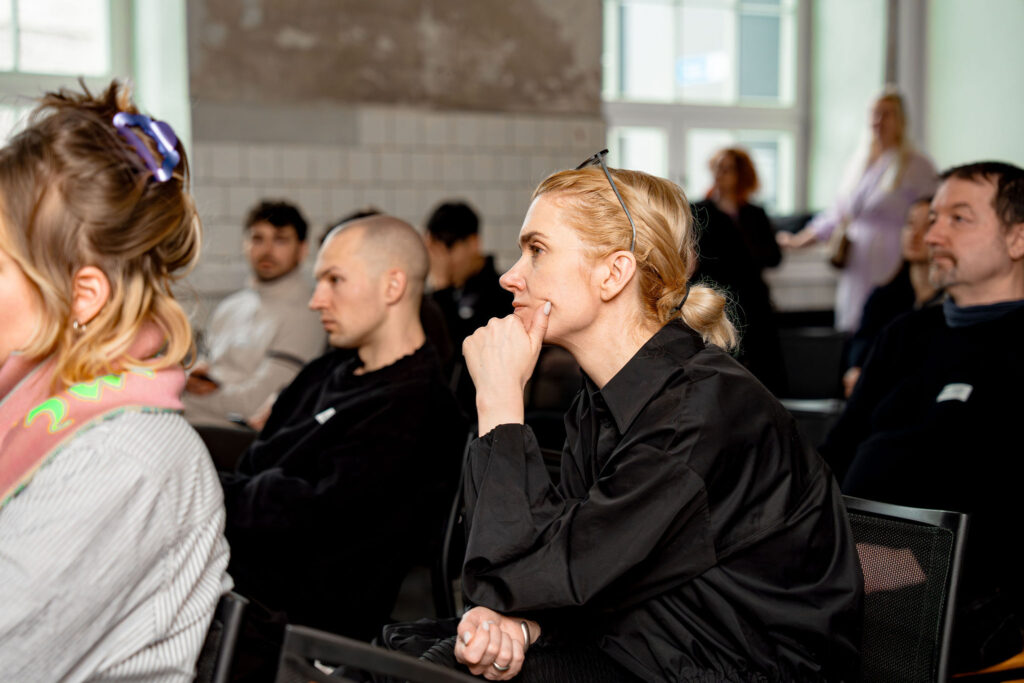
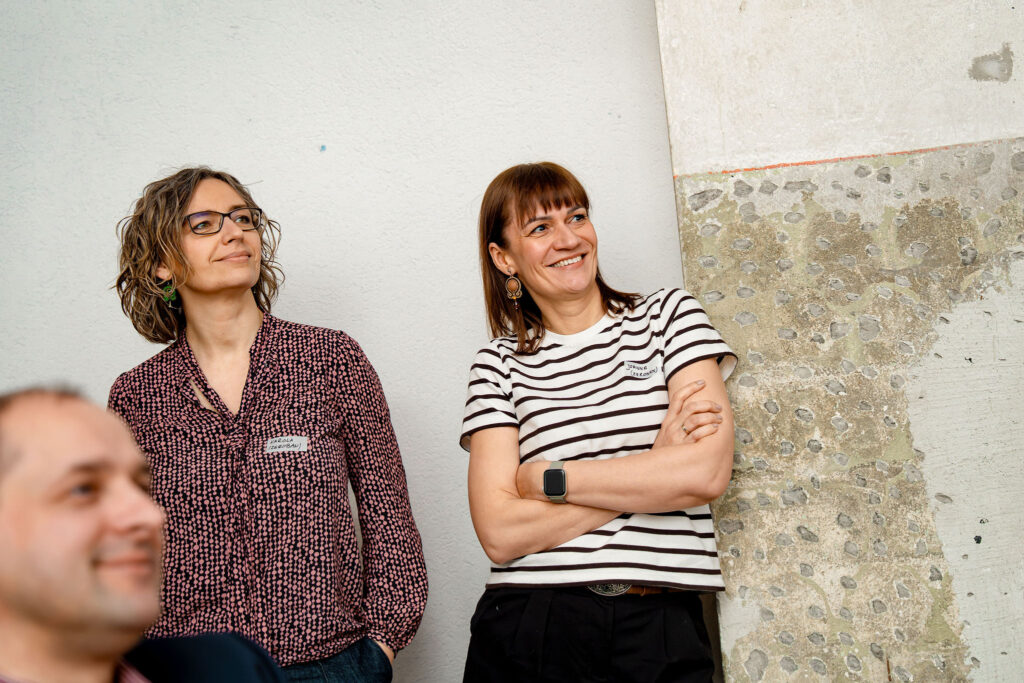
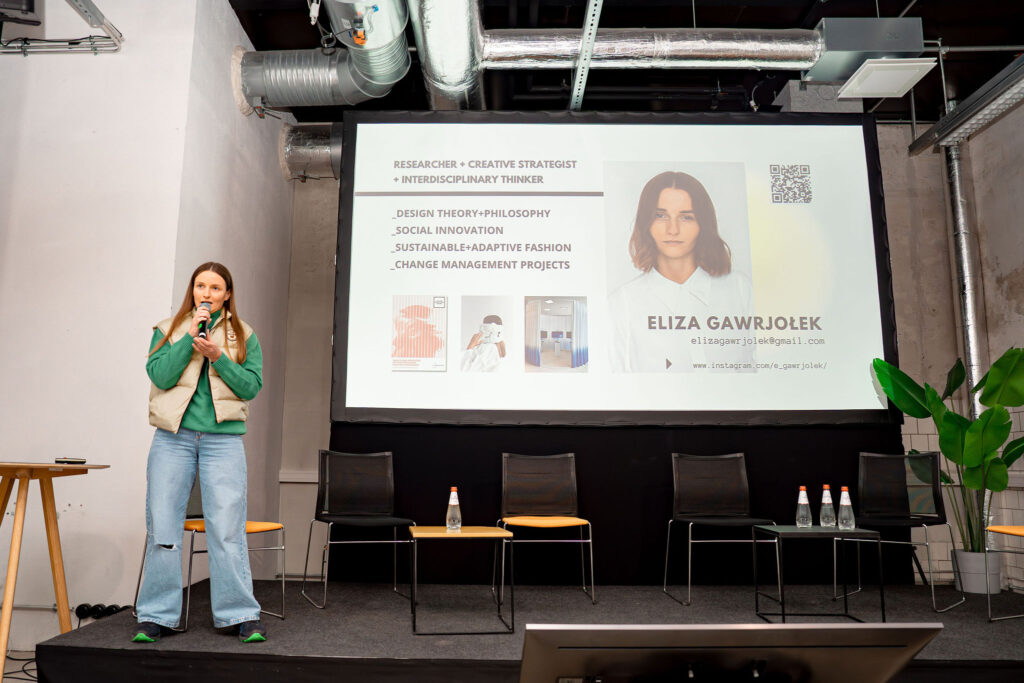
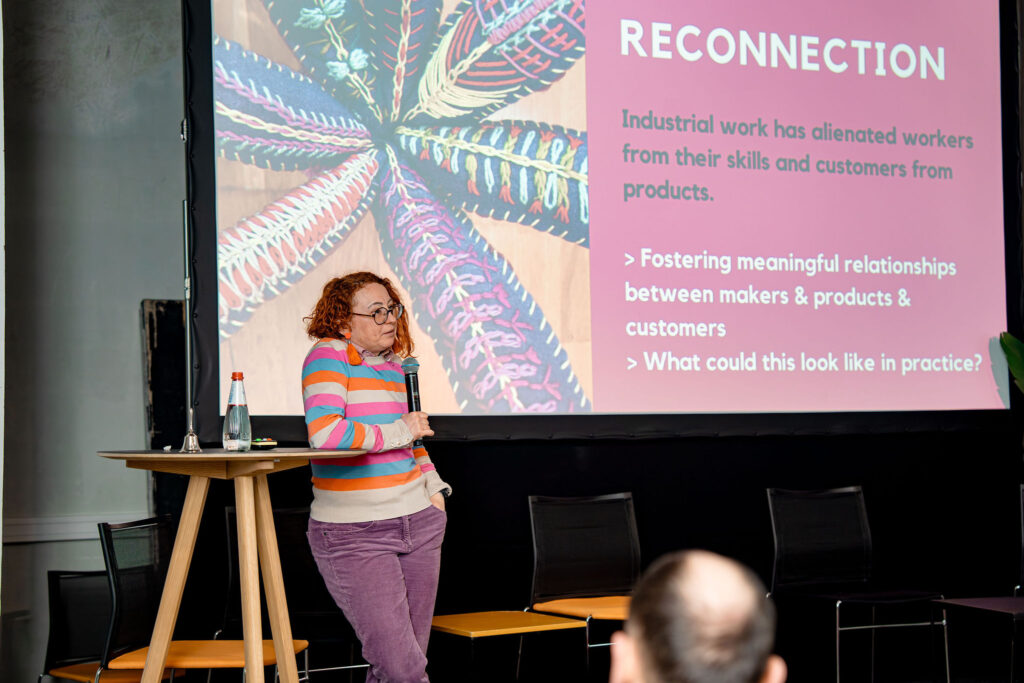
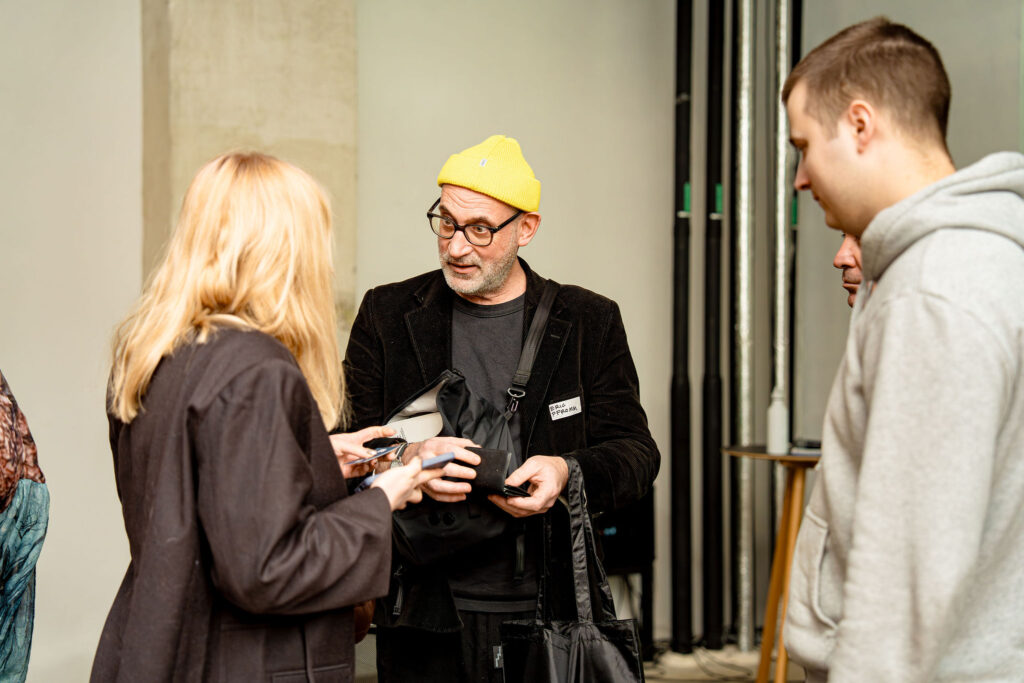
Pictures by Enriko Pedaksalu, Visualency
About Creative Circular Cities (CCC)
The Creative Circular Cities project focuses on the integration of Cultural and Creative Sectors and Industries (CCSIs) into the circular economy transition at the municipal level. It aims to develop guidelines and tools that municipalities, business support organizations and NGOs can use to implement circular economy solutions. The creative sector can be a producer of circular solutions, for example by designing products and services that follow circular principles and can be a powerful tool to change public perceptions and habits towards circularity. At present, the CCSI’s are not sufficiently integrated into city strategic plans for circularity, which tend to focus on traditional sectors. There is also insufficient support for the development of circular business models and the engagement with creatives and citizens is limited. Weak links between city governments, creative practitioners, businesses and citizens prevent the creation of a shared vision and collaborative action.
To address these challenges, 6 cities in the Baltic Sea Region – Aarhus, Kiel, Gdynia, Riga, Tallinn and Turku – are working together to co-create and test creative industry-led solutions for circular transitions. The project establishes incubation programs for businesses within the CCSI, promotes circular lifestyles through citizen engagement, and develops a CCC Starter Kit – a toolkit for other cities to replicate successful approaches. The project also aims to integrate circular economy principles into existing city strategies through multi-stakeholder collaboration – an objective to which this networking event belongs. The project’s approach is already showing promising results in the six demo cities, with each city launching tailored pilot initiatives that combine creativity, citizen engagement and circular economy principles. Early results include co-creation arenas connecting stakeholders, training programs for sustainable business models, innovative reuse strategies piloted with Gdynia’s bulky waste system and Riga’s circular garden. The project also produced a generic model to guide cities in implementing circular transitions, while transnational CCC Labs in Turku, Aarhus, Kiel and Tallinn fostered collaboration and knowledge exchange. Through these activities, the project aims to create scalable models and policy tools that can inspire circular transformation across Europe. The project started in November 2023 and will continue until November 2026, and it is 80% funded by the EU’s Interreg Baltic Sea Region program with a total budget of approximately four million euros.
Contact person at the NDPC for Creative Circular Cities: krista@ndpculture.org